
The amino acid profile of lentils is characterized by a high content of lysine, an essential amino acid that is often limited in other plant-based protein sources. Lentils are also a good source of leucine, isoleucine, and valine, which are all important for muscle growth and repair. However, lentils are relatively low in methionine and cysteine, two amino acids that are important for overall health. After reading this blog, it is clear that yellow lentils are a great addition to any diet. Not only are they delicious, but they are also incredibly nutrient-dense. Yellow lentils are packed with protein, fiber, and a variety of vitamins and minerals.
Yellow lentils are a fantastic choice for enhancing my regular meal roster because of their nutritional benefits and ease of preparation. They slot seamlessly into vegan and vegetarian diets and offer a level of versatility that helps with meal prep for both lunch and dinner. The benefits of yellow lentils extend to the digestive system as well. The presence of substantial fiber in yellow lentils helps sustain regular bowel movements and supports the growth of healthy gut bacteria.
Split Yellow Lentil
However, there are other great options like yellow, red, and black lentils that offer the same benefits but with varying protein values. Some plant-based foods, such as soybean products, seitan, beans, and lentils contain high amounts of protein. You can also find protein in nuts, whole grains like quinoa and amaranth, and hemp seeds.
Similar Foods
This is a classic recipe for yellow lentils that is famous in many Asian regions. It is also one of the best ways to enjoy lentils with a side of flatbread or boiled rice. The yellow lentil is favored in many Asian regions, especially in India because of its tender texture and balanced flavor.
Are lentils a good source of protein for vegetarians and vegans?
My yellow lentil cooking improved when I stopped treating them like other lentils. Starting with cold water and bringing everything to a boil together creates better flavor. The gradual temperature increase allows the lentils to release their starches more evenly. Batch-cooking yellow lentils becomes even easier when you have a food processor that can chop, blend, and mix anything in seconds. This powerhouse is my go-to for prepping aromatics, herbs, and fritter mixtures.
Comparing Protein Content Across Common Lentil Varieties
And none demand lifestyle overhaul—just one small shift in pantry habit. Lentils are an incredibly versatile ingredient, and can be used in a wide range of dishes, from soups and stews to salads, curries, and casseroles. They can be cooked in a variety of ways, including boiling, steaming, sautéing, and pressure cooking. Some popular lentil-based dishes include lentil soup, lentil curry, lentil salad, and lentil Bolognese. Are there differences in amino acid profiles among various lentil types?
Health Benefits of Including Lentils in Your Diet
Iron plays an integral role in the formation of hemoglobin in blood and myoglobin in the muscles, both of which carry oxygen to the cells. That is why fatigue and tiredness are usually the first symptoms people notice when they are low in iron. Regularly including lentils in your diet can help boost your iron intake. When combined with a whole grain, lentils provide the same quality protein as meat!
Amino Acid Profile of Lentils
Their gentle taste and easy digestion make them an ideal choice for therapeutic nutrition, gut-friendly diets, and people with sensitive digestion. The processing and preparation of lentils can vary depending on the cultural and culinary tradition. In some parts of the world, lentils are sprouted or fermented to enhance their nutritional value and flavor.
Green lentils contain slightly more fiber (about 11g per 100g dry vs 10g for red) and marginally more protein (25-26% vs 24-25%). Eating lentils may help decrease your overall food intake, which could contribute to weight loss or maintenance. Lentils are very filling and appear to keep blood sugar levels steady (9, 17, 18).
The Environmental Benefits
No regulatory certifications (e.g., USDA Organic, Non-GMO Project Verified) affect cooking behavior or nutrient delivery. Quinoa wins on neutral flavor and grain-like versatility—but lacks lentils’ fiber density. Chickpeas and black beans bring distinct flavors and textures—but demand planning. Lentils are a type of legume, which is a class of vegetables that includes beans, peas, and peanuts. They are derived from the seeds of the lentil plant, which is a small, annual legume that is native to the Middle East and Asia. Lentils have been cultivated for thousands of years, with evidence of lentil consumption dating back to ancient civilizations in Egypt, Greece, and Rome.
Uncovering the Nutritional Powerhouse: What are Lentils Made From?
As shown, lentils contain a significant amount of both protein and carbohydrates. However, the carbohydrate content is slightly higher than the protein content, suggesting that lentils may be considered a complex carbohydrate source. Three years later, yellow lentils remain my most-used pantry staple. I buy them in bulk, cook them weekly, and incorporate them into meals in countless ways. They’ve saved money, improved our health, and expanded our culinary repertoire. I created these fritters after several failed attempts at making traditional falafel from scratch.
Choosing one isn’t about ‘right vs wrong’; it’s about matching method to your current capacity. I used to be a teacher, and now making food and writing about it online is my full-time job. I love talking with people about food, and I’m so unimeal.reviews glad you’re here.
Protein Quality and Amino Acid Profile
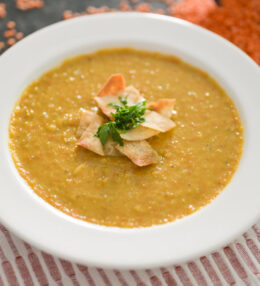
They are small, disk-shaped seeds that are typically grown in pods and are available in a range of colors, including green, brown, yellow, and red. Lentils are an excellent source of essential nutrients, such as fiber, vitamins, and minerals, making them a nutritious and healthy food choice. They are also relatively inexpensive and can be easily incorporated into a variety of dishes, from soups and stews to salads and curries. Brown lentils, the most widely available type, typically offer a solid protein content, making them a staple in many diets. Red and yellow lentils, often split and used in soups and purees, have comparable protein levels but are favored for their quicker cooking times and digestibility. Using lentils as a substitute for meat can also have health benefits, as they are lower in saturated fat and higher in fiber and nutrients than many types of meat.
- Trypsin is needed to help break down proteins into amino acids in your body, so inhibiting this enzyme means that protein will not be broken down as efficiently.
- Lentils contain antinutrients such as trypsin inhibitors and phytic acid, which reduce the absorption of some nutrients.
- A two-ingredient sauce tossed with air-fried crispy tofu, laid on top of a kale caesar salad.
- There is limited evidence that sprouted lentils interact with the cardiovascular drug trichlormethiazide.
- A ½ cup serving of cooked lentils provides about 12 grams of protein.
- They are a staple ingredient in many cuisines, particularly in Asian and Mediterranean cooking, and are prized for their unique texture and flavor.
They’re also naturally gluten-free and serve as plant-based protein sources in vegan formulations. A typical serving size of cooked yellow lentils is ½ cup, which contains around 115 calories, 9 grams of protein, and 7.5 grams of fiber. Red lentils, often used in Indian cooking for their tendency to break down and create creamy textures, pack a good amount of protein.